


More Than Strong: Healing, Mental Wellness, and Self-Worth as a Black Man with ADHD
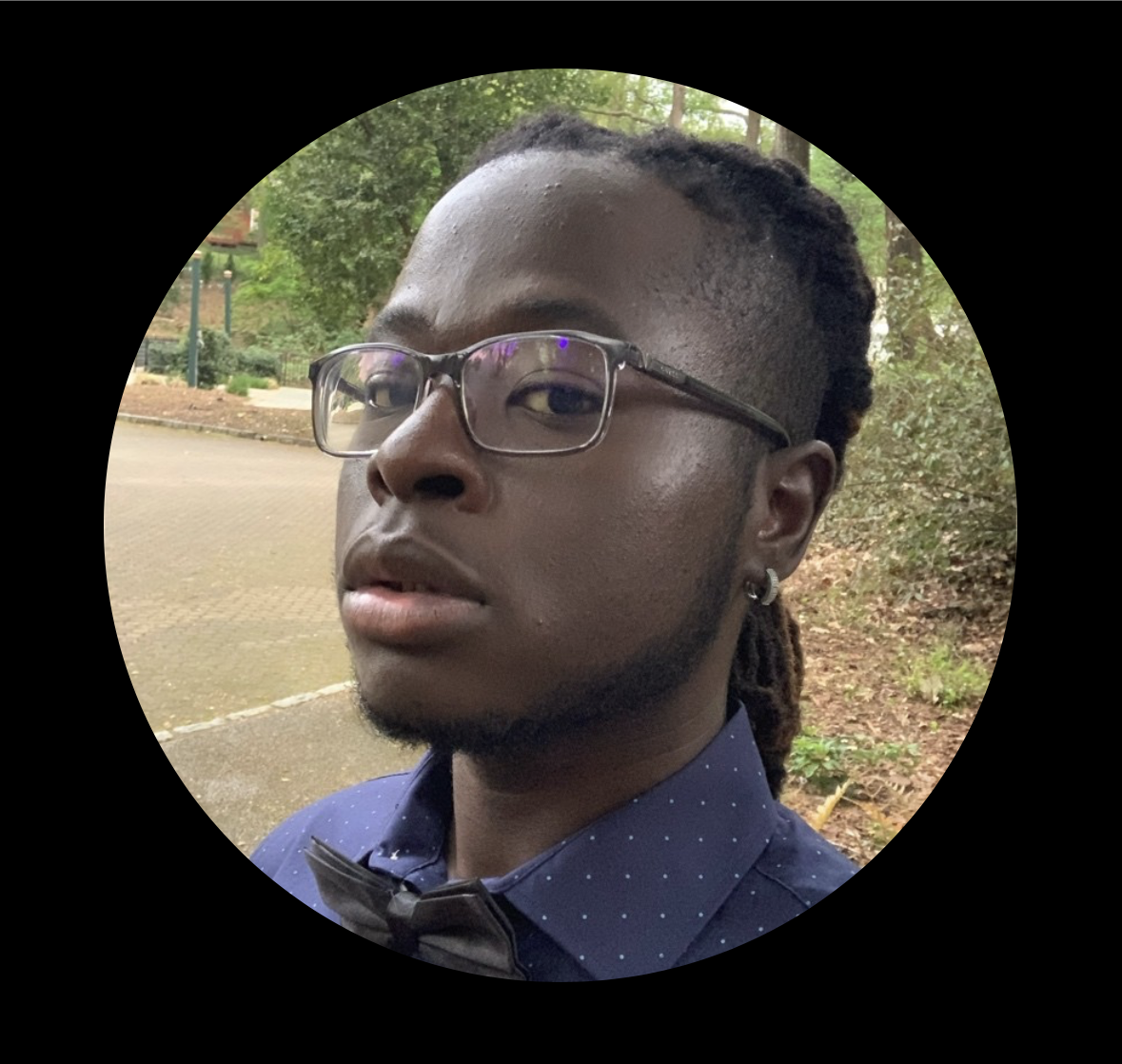

But what I didn’t realize was how damaging that mindset could be. I had nowhere safe to talk or release my stress. Over time, those bottled-up emotions built into an overwhelming storm. I found myself crying in private, breaking down after holding it all in for so long.
At first, I didn’t recognize that I needed help. I thought I just had to push through, stay strong like I had always been told. But holding in all that stress was not healthy mentally, emotionally, or physically. It led to significant weight gain, and my self-confidence and self-esteem dropped to an all-time low. I stopped valuing myself and felt like I was becoming a shadow of the person I once was.
Then one day, something clicked. I decided I deserved better. I wanted to feel better, live better, and be proud of myself again. I started changing my habits, one step at a time. I committed to a low-carb, high-protein diet and began walking daily. When I could, I hit the gym. That discipline slowly helped me reclaim my power. I began shedding not only the physical weight but also the emotional heaviness.
Those moments of shedding emotional heaviness were not always easy or joyful at first. There was discomfort in unlearning old habits — a strange vulnerability in allowing myself to feel fully. But I also experienced moments of relief and clarity, like a weight was lifting little by little. With every pound lost, I gained self-respect, clarity, and resilience.
Living with ADHD shaped much of my experience, even before I fully understood it. I was diagnosed back in elementary school, and like about 6.1 million children in the United States, I have lived with it for most of my life (CDC, 2023). ADHD affects focus, organization, time management, and completing daily tasks. For me, it often felt like my mind was jumping from one thing to the next. I would start projects but get distracted before finishing. It was not that I did not care or was not trying. My brain just worked differently.
In high school, I was prescribed medication to help manage my ADHD. After graduation, I made the personal choice to stop. The medication made me feel numb and disconnected, physically present but emotionally distant. I want to be clear: this was my experience, and medication works well for many people. It is an important tool in managing ADHD, and anyone considering medication should work closely with their healthcare provider to find what is best for them.
Beyond medication, I found other habits and strategies helpful in managing my ADHD. For example, I developed time management routines by breaking tasks into smaller, manageable steps and using timers to stay focused. Mindfulness exercises helped me be present and reduce anxiety. Regular physical activity, like my daily walks and gym sessions, improved my concentration and mood. Being honest with myself about my needs and limits has been crucial.
Healing emotionally while living with ADHD has not been easy. Some days feel overwhelming. But one thing that has helped me grow is knowing I do not have to face it alone. Recently, I was introduced to two incredible communities: BEAM (Black Emotional and Mental Health Collective) and The Confess Project. These organizations have been life-changing. They made me feel seen and taught me that Black men can express emotion, ask for help, and take charge of their mental health without shame.
They also helped me unlearn toxic ideas I had internalized growing up. For instance, the belief that men must always be stoic and suppress their feelings, or that vulnerability is a sign of weakness. Learning that strength includes emotional honesty was a revelation. These groups encouraged me to embrace healing, purpose, and community as essential parts of my journey.
Family has also been a major source of strength. I was raised primarily by my mother, a single parent after my parents divorced. My father was present early on, but their separation deeply shaped how I view relationships and commitment. My mother’s unwavering support and resilience showed me the power of love and endurance. Now that I am married, I carry those lessons with me, and I have made a promise to my wife. When we stood at the altar, I vowed to face every challenge together as a team. That promise reminds me daily to look inward, reflect, and keep growing. I want to build love, not repeat fear or pain.
None of this progress happened overnight. Over time, I have learned that healing is not weakness. It is strength. It takes more courage to ask for help, to cry when you need to, to go to therapy, or simply to talk to someone, than to pretend you are okay. I have learned to honor my feelings instead of running from them. I still have hard days, but now I carry less weight because I do not carry it alone.
Call to Action
If you are living with ADHD, struggling with mental health, or feel like you have to suffer in silence, you are not alone. Whether you are a student, a husband, a parent, or just figuring life out, you deserve support and healing. Communities like BEAM and The Confess Project exist for people like us.
Start by talking to a trusted friend or family member, or look up local support groups online. Reach out. Talk to someone. Share your story. Healing begins with honesty and grows through connection. The more we speak up, the more we empower others to do the same. Your story matters, your feelings matter, and healing is possible, one step at a time.
References
Black Emotional and Mental Health Collective. n.d. BEAM: Black Emotional and Mental Health Collective. https://www.beam.community
Centers for Disease Control and Prevention. 2023. Data and statistics on ADHD. https://www.cdc.gov/ncbddd/adhd/data.html
The Confess Project. n.d. The Confess Project: America’s first mental health barbershop movement. https://www.theconfessproject.com
Comments